
|
If you have been researching treatment options for depression, especially treatment resistant depression, you may have come across two terms that sound almost identical: ketamine and Spravato.
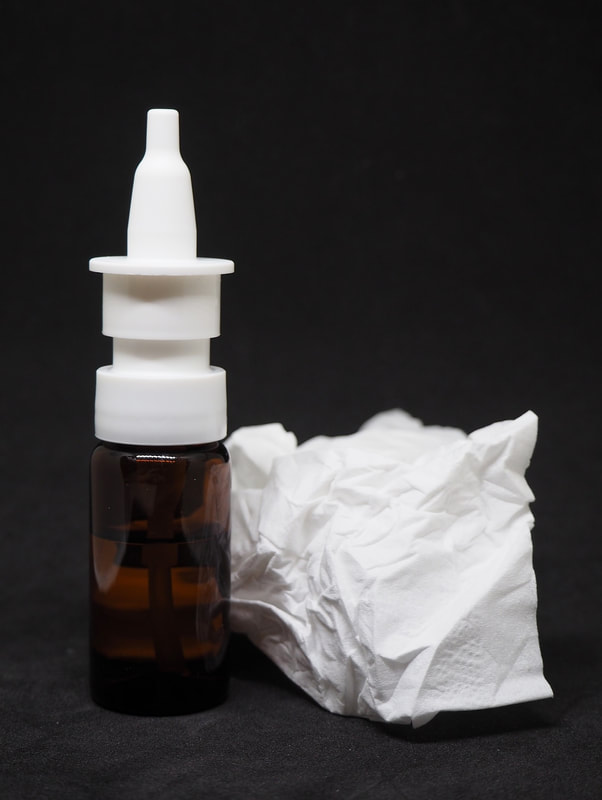
Many people ask me the same question in my office: Is Spravato the same as ketamine? The short answer is no. They are closely related, but they are not exactly the same. The differences matter, especially when it comes to safety, insurance coverage, effectiveness, and long term planning. In this article, I will break-down the science in simple language so you can understand clearly and confidently. What Is Ketamine? Ketamine has been used in medicine since the 1970s. It was originally developed as an anesthetic, meaning it was used for surgery and emergency procedures. It is still used today in operating rooms and emergency departments. Over the last twenty years, researchers discovered something surprising. At much lower doses than those used for anesthesia, ketamine can rapidly improve symptoms of severe depression. Unlike traditional antidepressants that may take four to six weeks to work, ketamine can sometimes reduce depressive symptoms within hours to days. That discovery changed psychiatry! What Is Spravato? Spravato is a prescription nasal spray that contains a specific part of the ketamine molecule called esketamine. Spravato was approved by the FDA in 2019 for adults with treatment resistant depression and later for major depressive disorder with suicidal thoughts. It is given in a certified medical office under supervision. Patients self administer the nasal spray while medical staff monitor blood pressure and overall response for about two hours. Spravato is not taken at home. It is part of a structured treatment program. Racemic Mixture Versus Single Enantiomer This is where things get scientific, but I will explain it in everyday terms. Ketamine as it was originally developed is a racemic mixture. That means it contains two mirror image forms of the same molecule. These are called enantiomers. Think of your hands. Your left and right hands are mirror images of each other. They look similar but are not identical. Traditional ketamine contains both the left handed and right handed versions of the molecule mixed together. Spravato contains only one of those mirror image forms. Specifically, it contains the S enantiomer called esketamine. Why does this matter? Research suggests that the S enantiomer may bind more strongly to certain brain receptors involved in mood regulation. By isolating this specific form, scientists created a more targeted medication. So ketamine is both mirror images together. Spravato is just one mirror image purified and studied independently. This difference allowed Spravato to go through the full FDA approval process for depression. How Do They Work in the Brain? Both ketamine and Spravato affect a brain receptor called the NMDA receptor. This is part of the glutamate system, which plays a major role in mood, learning, and memory. Most traditional antidepressants work on serotonin or norepinephrine. Ketamine and Spravato work differently. They help stimulate new neural connections in areas of the brain involved in mood. Some researchers describe this as helping the brain form new pathways after being stuck in depressive patterns. This may explain why they can work more quickly than standard antidepressants. Effectiveness Both intravenous ketamine and Spravato have been shown to significantly reduce symptoms of depression, especially in people who have not responded to multiple antidepressants. Spravato went through large clinical trials before FDA approval. These trials showed that when combined with an oral antidepressant, Spravato improved depressive symptoms more than placebo. Many patients report: • Improved mood • Reduced suicidal thoughts • Increased motivation • Greater emotional flexibility No treatment works for everyone, but for individuals with treatment resistant depression, Spravato has become one of the most promising options available today. Routes of Administration This is another major difference. Ketamine for depression is most commonly given as: • Intravenous infusion • Intramuscular injection • Sometimes oral or lozenge form Spravato is given as: • Nasal spray administered in a medical office Each route has pros and cons. Intravenous Ketamine Pros: Precise dosing Rapid onset Strong research support Cons Not covered by insurance for depression Higher out of pocket cost Requires IV access Oral or Lozenge Ketamine Pros Convenience Lower cost in some settings Cons Less predictable absorption Not FDA approved for depression Usually not covered by insurance Spravato Nasal Spray Pros FDA approved specifically for depression Insurance coverage is common Structured safety monitoring Standardized dosing Extensive research data Cons Must remain in clinic for observation Requires transportation home after treatment Insurance Coverage This is a critical issue. Spravato is FDA approved for treatment resistant depression. Due to this, most commercial insurance plans and many Medicare plans provide coverage for Spravato when criteria are met. Patients typically must: • Have a diagnosis of major depressive disorder • Have failed at least two antidepressants Traditional ketamine infusions for depression are often considered off label. The vast majority of insurance companies do not cover them, which can lead to significant out of pocket expenses. From a practical standpoint, Spravato is often more financially accessible. Safety and Monitoring Spravato is administered in a certified treatment center under a Risk Evaluation and Mitigation Strategy program required by the FDA. Patients are monitored for: • Blood pressure changes • Sedation • Dissociation • Nausea Most side effects occur during the observation period and resolve within a few hours. Common side effects include: • Dizziness • Feeling disconnected • Nausea • Temporary increase in blood pressure These effects are expected and usually manageable. Common Contraindications Spravato and ketamine are not appropriate for everyone. They are typically avoided or used with caution in people with: • Uncontrolled high blood pressure • Aneurysms • Certain vascular diseases • History of psychosis • Active substance misuse • Pregnancy A thorough psychiatric and medical evaluation is essential before starting treatment. Is One Better Than the Other? It depends on the situation. Ketamine infusions may offer flexibility and individualized dosing. Cost and insurance barriers can limit access. Spravato offers: • FDA approval • Standardized protocols • Insurance coverage • Structured safety oversight • Extensive clinical trial data For many patients, those factors provide reassurance and accessibility. What Is the Treatment Experience Like? Spravato treatment usually begins with twice weekly sessions for the first four weeks. After that, treatments gradually space out based on response. Patients remain in a comfortable treatment room. Many listen to calming music or rest quietly during the observation period. You cannot drive the day of treatment. Most people feel back to baseline by the evening. Over a short time, many patients report that the “weight” of depression begins to lift. A Positive Perspective Depression can feel hopeless, especially when multiple medications have failed. Spravato represents something different. It is based on a new understanding of how the brain regulates mood. It works faster than traditional antidepressants in many cases. It is supported by rigorous clinical research. It is covered by insurance for many patients. It is not a miracle cure. It does not replace therapy or healthy lifestyle changes, but for individuals with treatment resistant depression, it can open a door that previously felt closed. If you have struggled for years without meaningful relief, discussing Spravato with a qualified psychiatrist may be a worthwhile step. You deserve options. You deserve hope. And modern psychiatry now offers more than ever before.
0 Comments
If you have lived with depression for a long time, you may know the feeling of doing everything “right” and still feeling stuck. You try therapy. You try medication. You adjust your sleep. You push yourself to function. The heaviness keeps returning like a fog that will not lift.
Many people I meet are not looking for hype. They are looking for something simple and honest with a real chance of relief. Spravato is one of the most important advances in depression treatment in decades. It is not for every person with depression, and it is not a magic cure. For some adults with treatment resistant depression, Spravato can be a fantastic option that is worth a thoughtful, medically supervised trial. What is Spravato? Spravato is the brand name for esketamine, a nasal spray used for certain severe forms of depression. It is related to ketamine, an anesthetic that has been used in medicine for decades. Esketamine is one specific form of the ketamine molecule that was developed and studied for depression. Spravato is a controlled medication and is only given in certified clinics under a safety program called REMS. You take it in the clinic, you are monitored, and you go home the same day with a responsible ride. It is not dispensed for home use. What conditions is Spravato approved to treat? Spravato has several FDA approvals that matter to patients: Spravato was first approved in 2019 for adults with treatment resistant depression. In 2020, an additional approval covered depressive symptoms in adults with major depressive disorder who have acute suicidal thoughts or behaviors, in combination with an oral antidepressant. In January 2025, the FDA approved Spravato as monotherapy for treatment resistant depression. This means it can be used as a standalone treatment rather than only alongside a daily oral antidepressant. That 2025 change matters for some patients who cannot tolerate standard antidepressants, or who have tried many traditional options. What does “treatment resistant depression” really mean? Treatment resistant depression usually means you have tried at least two different antidepressants at adequate doses and duration, and you still have significant symptoms. This is not a personal failure. It does not mean you are “not trying hard enough.” Depression is a medical condition, and some forms are simply harder to treat. One reason psychiatrists take treatment resistant depression seriously is that it tends to come with higher risks over time. Why Spravato feels like a breakthrough for some people Most traditional antidepressants work mainly through serotonin and norepinephrine systems. They can be helpful, but they often take weeks to work. Some people do not respond at all. Spravato is different because it affects glutamate signaling, which is deeply involved in how brain circuits adapt, recover, and build healthier connections. That difference is one reason some patients notice improvement faster than they ever did with standard antidepressants. Some patients describe Spravato as the first time in years they felt the depression “loosen its grip,” even if life is still complicated. Some studies say Spravato is the most effective anti-depressant option in existence. A realistic story of how Spravato often enters someone’s life Consider a patient I will call David. David is 44. He runs a business, keeps showing up for his family, and looks “fine” on the outside. On the inside, he has been dragging himself through each day for years. He tried multiple medications. Some blunted the edge, but none brought him back to himself. He did therapy and learned skills, but his mood still felt stuck in a low gear. Eventually he said, “I can function, but I’m not living.” When David heard about Spravato, he was hopeful. He read reviews. He worried it would be intense. He also worried that hoping again would set him up for disappointment. This is where I usually guide patients toward a balanced mindset: You do not have to believe Spravato will fix everything. You only need to be open to a well supervised trial to see whether your brain is one of the brains that responds. For many people with treatment resistant depression, that openness is the beginning of a new chapter. What do Spravato reviews most commonly say? When you read Spravato reviews online, you will see patterns. Here are the most common themes, translated into plain language. 1) “It worked faster than anything else.” Many patients say they noticed something shift earlier than expected. Not always happiness, but often relief: less darkness, less hopelessness, more mental space. This aligns with clinical studies showing meaningful symptom improvement in some patients, including early improvements in certain trials. 2) “It is strange, but manageable.” A lot of people describe the treatment session as unusual, dreamy, or disorienting, but not scary once they understood what to expect. 3) “The clinic experience matters.” People who report the best experiences often describe a calm setting, staff who communicate well, and a plan that includes therapy or coaching, not just the medication. 4) “It helped, but I needed ongoing structure.” Some patients feel better during the treatment course, but then notice symptoms return if treatment stops too suddenly. That is why maintenance planning is a big part of quality care. Long term follow up research has focused on how to maintain response and reduce relapse risk over time. 5) “Side effects were real, but temporary.” Many reviews mention dizziness, nausea, sleepiness, and dissociation, mostly during the observation period. Those match the adverse reactions listed in prescribing information. How Spravato is given and why it requires supervision Spravato is taken in the clinic because it can cause sedation, dissociation, and temporary changes in blood pressure. For safety, patients must be monitored for at least two hours after each dose. You cannot drive yourself home after a session. This supervision is not meant to make life difficult. It is meant to make treatment safe and predictable. What happens at a typical Spravato visit? While clinics vary, most follow a similar structure: You arrive and check in Your blood pressure is checked You use the nasal spray under staff guidance You sit in a comfortable monitored space for at least two hours Your blood pressure, oxygen, and symptoms are rechecked You are discharged when clinically stable You go home with a ride and take it easy the rest of the day The “two hour chair time” is one of the biggest barriers for busy people. For many treatment resistant patients, that time is an investment that can be well worth it, especially if symptoms have been dominating life for years. Dosing schedule: what the treatment course usually looks like Spravato treatment is commonly described in phases: An induction phase with more frequent visits A continuation phase with gradually reduced frequency A maintenance phase tailored to your response The induction typically involves doses 2x/week for 4 weeks. The continuation phase is typically 1x/week for 4 weeks. The maintenance phase is often one treatment every two weeks. The FDA label describes dosing schedules for treatment resistant depression, and the key idea is that the plan is adjusted based on benefit and tolerability. A good clinic will not only follow the label, but also talk with you about goals, progress, and what “success” looks like for you. What does Spravato feel like? Most patients do not feel “knocked out.” Instead, they may feel a temporary shift in perception. Common descriptions include: Feeling detached from the body Feeling like time is different Feeling floaty or heavy Feeling emotionally distant from distress Feeling sleepy Feeling mildly nauseated This is usually time limited and improves during the observation period. Spravato can also raise blood pressure temporarily, peaking around 40 minutes after dosing and usually resolving over a few hours. Side effects and safety concerns you should know Spravato has important safety warnings, and being honest about them is part of good psychiatric care. Common side effects include dissociation, nausea, dizziness, headache, feeling drunk, increased blood pressure, and sedation. Due to risks like sedation, dissociation, and respiratory depression, Spravato is restricted to certified settings with monitoring. Do not judge Spravato by a scary headline. Judge it by how responsibly it is delivered in a medical setting. Is Spravato addictive? Spravato is a Schedule III controlled substance and carries warnings about misuse and abuse potential. The reassuring aspect is that the REMS system is designed specifically to reduce misuse risk by keeping dosing in the clinic and preventing take home dispensing. If you have a history of substance misuse, that does not automatically disqualify you, but it does mean your psychiatrist should evaluate carefully and discuss safeguards. Some more recent studies even suggest that Spravato reduces the risk of alcohol abuse. Who is most likely to benefit from a Spravato trial? Spravato is most often considered when: You have treatment resistant depression and have tried multiple standard options. Depression is causing real impairment in work, relationships, parenting, or basic functioning You have persistent hopelessness or chronic suicidal thinking You need a different mechanism of action than you have tried before Spravato is not a typical first step. If you have been fighting depression for a long time, it can be a very reasonable next step. If your depression has not responded after solid trials of standard treatments, it is often worth exploring Spravato rather than resigning yourself to “this is just my life now.” Not everyone responds, but many do, and you cannot know which group you are in without a thoughtful trial. Who should be cautious or may not be a good candidate? Spravato requires careful screening, especially for: Uncontrolled high blood pressure or certain blood vessel problems, because of blood pressure increases Certain psychiatric histories where dissociation may be destabilizing Active uncontrolled substance use Pregnancy A good evaluation is not a gatekeeping exercise. It is how we make treatment safer and more successful. Why the best Spravato reviews often mention therapy Spravato can reduce symptoms, but recovery is usually more than symptom reduction. When depression improves, patients often need to rebuild routines, relationships, and confidence. Therapy can help you use the window of improvement to make durable changes. How to judge a Spravato clinic before you start? If you are considering a trial, here are signs of high quality care: They do a real psychiatric evaluation, not a quick checklist They review your medication history carefully They monitor blood pressure and safety properly and follow the REMS rules They explain what dissociation is and how they support you through it They talk about a plan for induction, continuation, and maintenance They coordinate with therapy or encourage psychotherapy support They set expectations clearly, including what happens if you do not respond Frequently asked questions that come up in Spravato reviews How soon will I know if it is working? Some people notice improvement early, within hours. Others need several sessions to see a clear trend. Will I feel high? Some people feel altered or detached temporarily. Many do not describe it as a euphoric “high” as it is more like a brief shift in perception that fades. Do I have to take an oral antidepressant with it? As of the January 2025 approval, Spravato can be used as monotherapy for treatment resistant depression in appropriate patients. What if it works and then fades? That is common enough that maintenance planning matters. Clinicians use structured tapering and symptom guided frequency to sustain benefit when possible. Who should I call in Houston to start Spravato? Give us a call at 346-202-7570 or schedule an evaluation here Aetna Psychiatrist: Getting the Mental Health Care You Deserve
When Maria started having panic attacks at work, she felt scared and confused. She had trouble sleeping, lost her appetite, and avoided seeing friends. Her primary care doctor recommended therapy and possibly medication, but Maria didn’t know where to start. The cost of treatment was overwhelming, until she found out her Aetna insurance covered visits with a psychiatrist. If you or someone you love is struggling with anxiety, depression, or another mental health issue, finding an Aetna psychiatrist can be a life-changing decision. Mental Health in America: You're Not Alone Mental illness is far more common than most people realize. According to the National Institute of Mental Health (NIMH):
These numbers show how widespread mental health struggles are, and how important it is to seek help. The good news? Mental health conditions are treatable. With the right support, most people improve and go on to live healthy, meaningful lives. Why See a Psychiatrist? A psychiatrist is a medical doctor who specializes in mental health. Unlike therapists or counselors, psychiatrists can diagnose conditions, prescribe medications, and coordinate care for complex mental illnesses. They are trained to understand how the brain works and how biological, psychological, and social factors affect mental health. Psychiatrists treat a wide range of mental health conditions, including:
If you're experiencing intense sadness, panic, racing thoughts, poor concentration, emotional outbursts, or other troubling symptoms, a psychiatrist can help you find answers and treatment that works. How Psychiatrists Help Psychiatrists offer a combination of treatments that are based on scientific research. Common treatment options include:
Studies show that 80% of people with depression improve when treated with a combination of medication and therapy. In fact, patients who work with a psychiatrist are more likely to receive the right diagnosis and achieve better outcomes than those who rely on primary care doctors alone. Why Use an Aetna Psychiatrist? Mental health treatment can be expensive, especially without insurance. Seeing a psychiatrist who accepts Aetna means your care is partially or fully covered, depending on your plan. Benefits of using an Aetna in-network psychiatrist include:
According to the National Alliance on Mental Illness (NAMI), over 50% of U.S. adults who need mental health treatment don’t get it, often due to cost or lack of access. Using your Aetna plan can remove one of the biggest barriers to getting the care you need. What to Expect at Your First Psychiatrist Appointment If you’ve never seen a psychiatrist before, it’s normal to feel nervous. But knowing what to expect can help. Your first visit usually includes:
The first session typically lasts 45–60 minutes, and follow-ups are usually 10–30 minutes. Many clinics now offer telepsychiatry, so you can meet with your doctor from the comfort of home. How to Find an Aetna Psychiatrist There are a few easy ways to find a psychiatrist in your network:
At our Houston psychiatry clinic, for example, we proudly accept Aetna, BCBS, United, and other major plans. We work closely with patients to make the insurance process easy and stress-free. When Should You See a Psychiatrist? If you're wondering whether your symptoms are “bad enough” to seek help, here’s an important reminder: you don’t need to wait until things are unbearable. Many people benefit from early care, even if they aren’t in crisis. Consider seeing a psychiatrist if:
Final Thoughts: Your Mental Health Is Worth It You wouldn’t ignore a broken arm or high blood pressure, and your mental health is just as important. A psychiatrist is a trained expert who can help you get the diagnosis, treatment, and relief you deserve. If you have Aetna insurance, finding a qualified psychiatrist is easier and more affordable than ever. You don’t have to figure this out alone. Whether you’re facing anxiety, depression, ADHD, or just feeling overwhelmed, help is available and healing is possible. Ready to Take the First Step? At Mynd Psychiatry, we accept Aetna and other major insurance plans. We offer both in-person and telehealth visits for teens and adults. Our board-certified psychiatrists are here to listen, support, and help you feel like yourself again. Call us today to schedule your first appointment or visit our website to learn more about our services. Introduction to Opioid Addiction TreatmentIt started with a back injury. Marcus (anonymized) was a 32-year-old warehouse manager in Houston, Texas. He was prescribed hydrocodone after a fall left him with three herniated discs. At first, he followed the doctor’s orders which was one pill every eight hours. After a few weeks, one pill didn’t seem to cut it anymore. By the time he sought help, Marcus was taking eight pills a day just to function. Stories like Marcus’s are tragically common. According to the Texas Health and Human Services Commission, opioid-related overdose deaths in Texas increased by over 400% between 1999 and 2020. In Harris County alone, fentanyl-related deaths have more than tripled in recent years. Opioid addiction is not a moral failure. It’s a medical condition that requires evidence-based treatment and compassionate support. At our Suboxone psychiatric clinic in Houston, we understand the weight of opioid use disorder. We offer proven solutions to help people reclaim their lives, starting with Medication Assisted Treatment (MAT). Benefits of Medication Assisted Treatment (MAT)For patients like Marcus, quitting opioids isn’t just about willpower. When opioid use is stopped abruptly, withdrawal symptoms including nausea, body aches, insomnia, and depression can become unbearable. That’s where Medication Assisted Treatment (MAT) comes in. MAT is the gold standard for opioid addiction treatment. It combines medications like Suboxone (buprenorphine-naloxone) with counseling and behavioral therapy. According to the Substance Abuse and Mental Health Services Administration (SAMHSA), MAT:
Suboxone works by binding to the same receptors in the brain as opioids but without producing the intense high. This blocks cravings and prevents withdrawal symptoms, allowing the patient to focus on recovery rather than survival. At our Houston clinic, we tailor MAT to each patient’s unique history, health profile, and recovery goals. Treatment isn't one-size-fits-all. Houston Suboxone Clinic: Compassionate and Comprehensive CareWhen Marcus walked into our clinic, he didn’t know what to expect. “I thought I’d be judged,” he later admitted. “Instead, I felt understood.” That’s the experience we aim to provide to every patient who walks through our doors. Our Houston Suboxone clinic offers a safe, welcoming environment where recovery is possible without stigma or shame. What We Offer:
We are proud to accept BCBS, Aetna, Cigna, and United, as well as affordable self-pay options. Our mission is simple: to ensure that every person in Houston who needs help for opioid addiction can get it. We understand that opioid addiction often coexists with depression, anxiety, PTSD, or chronic pain. That’s why we provide whole-person psychiatric care, not just medication management. Why Suboxone?You might wonder: Why is Suboxone preferred over other treatments like methadone or naltrexone? Suboxone is widely considered safer and easier to manage than methadone. It has a “ceiling effect,” meaning the effects level off even at higher doses which reduces the risk of overdose. According to a 2021 study published in The Journal of the American Medical Association (JAMA), patients treated with Suboxone were more likely to remain in treatment and had better long-term outcomes compared to those treated with methadone. We also use buprenorphine options with pregnant patients when indicated. Patient Success: A Real Story from HoustonLet’s return to Marcus. After two weeks of Suboxone treatment, he was sleeping better and returning to work part-time. After two months, he was rebuilding relationships with his children. Today, Marcus has been in recovery for over a year. “I never thought life without pills was possible,” he says. “Now I’m living proof that it is.” Marcus’s story is not unique. In a recent study by the National Institutes of Health, over 60% of patients receiving MAT were still in recovery after 12 months, compared to less than 10% in abstinence-only programs. Frequently Asked QuestionsWhat is Suboxone treatment and how does it work? Suboxone is a medication made up of buprenorphine (a partial opioid agonist) and naloxone (an opioid antagonist). It works by reducing cravings and withdrawal symptoms, making it easier to focus on recovery. It also blocks the euphoric effects of other opioids, reducing the risk of relapse. How do I know if I’m eligible for Suboxone treatment? Most patients with a diagnosis of opioid use disorder (OUD) are eligible. We perform a comprehensive medical evaluation to ensure that Suboxone is safe and appropriate for you. If you’re currently using opioids or have recently detoxed, you may qualify for treatment right away. What are the benefits of Medication Assisted Treatment (MAT)? MAT is associated with:
A 2023 report from the CDC showed that MAT participants were three times more likely to remain in recovery compared to those in non-MAT programs. How do I schedule an appointment with a Suboxone doctor in Houston? You can call our clinic directly or request an appointment on our website. We typically offer same-week appointments and have availability for both in-person and virtual visits. We’re located in north Houston and serve nearby areas including Spring, Klein, Conroe, and The Woodlands. What are the risks and side effects of taking Suboxone? Most patients tolerate Suboxone well. Common side effects include headache, nausea, constipation, and fatigue. Rarely, it may cause breathing issues if combined with other sedatives. Our physicians closely monitor for any adverse reactions and adjust your dosage as needed. Your Recovery Starts TodayEvery journey begins with one step.
If you or someone you love is struggling with opioid addiction in Houston, help is here. Our Suboxone psychiatric clinic combines leading medical care with personalized support to help you or your loved one find lasting recovery. We’re not here to judge your past. We’re here to build your future. With access to BCBS, Aetna, Cigna, United Healthcare, and affordable self-pay plans, we’re making treatment accessible in the Houston community. Reach out to schedule a confidential consultation today. Introduction to Mental HealthMental health is an important part of your overall well-being. It affects how you think, feel, and act and it plays a big role in how you handle stress, relate to others, and make choices. Mental health services are designed to help with emotional challenges, behavioral issues, and substance use problems, so you can live a healthier, more balanced life. Many people, possibly even your close friends or family, struggle with anxiety, stress, depression, or feelings of isolation. These are common issues, and you’re not alone if you’ve been feeling overwhelmed. The good news is that help is available. There are many mental and behavioral health care resources to support your emotional health. Whether you need therapy, medication, or simply someone to talk to, the right treatment can make a big difference in how you feel and function each day. Understanding Behavioral HealthBehavioral health focuses on the connection between your behaviors, emotions, and overall mental well-being. It includes care for mental health concerns like anxiety and depression, as well as treatment for substance use disorders. These programs are designed to help you better understand your thoughts, manage your emotions, and develop healthier habits. If you're struggling with stress, anxiety, or other emotional challenges, behavioral health services can provide the support you need. These services go beyond just talking about your problems. They offer real tools and strategies to help you feel more in control and improve your quality of life. UnitedHealthcare’s behavioral health program gives members access to a network of trained professionals, including therapists, counselors, and psychiatrists. Whether you need in-person sessions, virtual visits, or specialized treatment, there are flexible options to meet your needs. Taking care of your behavioral health is just as important as caring for your physical health. With the right support, you can work through challenges, build emotional strength, and live a healthier, more fulfilling life. Health Insurance and CoverageIf you're thinking about getting help for your mental health, it's important to understand how your health insurance can support you. Many health insurance plans, including UnitedHealthcare, offer coverage for mental health and behavioral health services. The exact coverage you have depends on your specific health plan and your eligibility as a member. Some plans may cover therapy, medication, and even virtual mental health visits. To find out what your plan includes, you can sign in to your UnitedHealthcare member account online or call the number on your member ID card for more details. UnitedHealthcare’s plans are designed to make it easier to connect with the care you need. This includes access to licensed mental health providers, treatment programs, and support services. Knowing what your plan covers can help you feel more confident about getting care. If you’re not sure where to start, your insurance provider can help guide you to the right resources so you can take the next step toward feeling better. Accessing CareAccessing behavioral health and mental health services is a vital step toward improving your overall well-being, and UnitedHealthcare is committed to making this process as simple and supportive as possible. Whether you’re seeking help for yourself, a loved one, or your family, there are multiple ways to connect with the care you need. UnitedHealthcare members can easily find mental health providers and access treatment through both virtual visits and in-person appointments. The UnitedHealthcare app is a convenient tool that allows you to find a provider in your network, check your health benefits, and get started with treatment—all from your phone or device. If you’re new to the process, simply sign in to your member account or call the phone number on your member ID card to connect with a representative who can guide you through your options. For those without insurance, Mynd Psychiatry has a cash rate. This ensures that even if you don’t have traditional health insurance, you can still access high-quality mental health services and support. In case of a life-threatening emergency, always call 911 or visit the nearest emergency services department. For non-life-threatening issues, you can use the UnitedHealthcare app to find a provider, chat with a representative, or call the number on your ID card (TTY 711 is available for those with hearing or speech disabilities). These resources are available to help you connect with the right provider and get the support you need, when you need it. No matter your situation, UnitedHealthcare is here to help you take the next step toward better mental health. With a variety of programs, providers, and support options, you can find the care that’s right for you and your family—so you never have to face mental health challenges alone. Finding the Right ProviderWhen it comes to mental health care, choosing the right provider is one of the most important steps you can take. The right provider is someone who listens to you, respects your concerns, and helps you feel safe and supported. Feeling comfortable with your provider can make a big difference in how effective your treatment is. UnitedHealthcare makes it easier to find the right fit. You can use their provider search tool to look for mental health or behavioral health professionals in your area who are part of the UnitedHealthcare network. If you are in the Houston, TX area, look no further. You can schedule online now. You can also use online platforms or mobile apps to quickly find network providers, helping you maximize your benefits and streamline the process. This includes psychiatrists, therapists, counselors, and other specialists. If you are looking for a psychiatrist, psychiatric nurse practitioner, or counselor in the Houston area, give us a call at 346-202-7570. The United Healthcare network includes a wide range of providers with different backgrounds, specialties, and treatment approaches so you can find someone who meets your specific needs and preferences. Finding the right provider is a powerful first step toward getting the care you deserve. It’s all about building a relationship that supports your mental health journey and helps you move toward a healthier, more balanced life. Emergency SituationsIf you or someone you care about is experiencing a mental health crisis, it’s important to get help right away. In life-threatening situations, always call 911 or go to the nearest emergency room for immediate assistance. Accessing Emergency ServicesKnowing how to access emergency services can make a big difference when you or someone you love is in crisis. If you're a United Healthcare member, you can call the number on your member ID card or visit the United Healthcare website to get help and guidance right away. In a life-threatening situation, always call 911 or go directly to the nearest emergency room. Your safety comes first, and immediate medical care is often the most important step. Reaching out in an emergency isn’t a sign of weakness. It’s a sign of strength. Having the right information and taking action can help save lives and start the road to recovery. Provider Search and SelectionFinding the right mental health provider is a key step in getting the care you need—and UnitedHealthcare makes it easy. With the UnitedHealthcare app, you can quickly search for mental health providers who are in your network and accept your insurance. Virtual therapy services are also available. The app gives you access to your benefits, coverage details, and provider information right from your mobile device. You can also use the online provider search tool on the UnitedHealthcare website to explore your options. This tool lets you filter by location, specialty, and provider type, making it easier to find someone who meets your needs. Choosing the right provider is important for your comfort and long-term success in treatment. Whether you’re looking for a psychiatrist, therapist, or counselor, UnitedHealthcare’s tools help you connect with someone who’s a good fit and who’s covered by your plan. With the right provider, you can take the first step toward better mental health with confidence and support. Maximizing Health BenefitsTo get the most out of your mental health care, it’s important to understand your health insurance coverage. Knowing what services are available through your plan helps you take full advantage of the support that’s already in place for your well-being. UnitedHealthcare’s health insurance plans include a wide range of mental health benefits, such as access to therapists, psychiatrists, treatment programs, and virtual care options. By signing in to your UnitedHealthcare member account, you can review your plan details, check what’s covered, and explore the mental health services available to you. When you’re informed about your benefits, you can make smarter choices about your care and avoid unexpected costs. UnitedHealthcare’s program is designed to help you make the most of your health coverage, so you can focus on feeling better, not just managing logistics. Conclusion and Next StepsTaking care of your mental health is one of the most important things you can do for your overall well-being. If you’re ready to take that step, finding a qualified psychiatrist or mental health provider who accepts UnitedHealthcare is a great place to start. Mynd Psychiatry accepts most United Healthcare, Oscar, and Optum health plans.
UnitedHealthcare’s mental health services are built to support you every step of the way, offering access to trusted providers, a variety of treatment options, and the tools you need to feel your best. To get started, sign in to your member account online or call the number on your UnitedHealthcare ID card. From there, you can review your benefits, explore provider options, and take action toward better mental health. Whether you're dealing with anxiety, depression, stress, or other challenges, help is available and you don’t have to face it alone. Taking the next step could be the start of a healthier, more hopeful chapter in your life. If you are in the Houston or surrounding area, schedule with us now. Michael (anonymized) didn’t look like someone who was struggling. On the outside, he had a solid job, a nice home in the suburbs, and a friendly manner that made him easy to talk to. But when he sat down in my office, the truth came out: “I don’t feel anything anymore,” he said. “I laugh at work and smile with my wife, but inside, it’s like I’m disappearing.” This is depression, and it’s more common than most people realize. As a counselor in Houston, I see men like Michael every week. They come in not because life is falling apart, but because it feels flat, heavy, or meaningless. They’re functioning on the surface, but they’re exhausted underneath. They’ve searched for “depression counselors near me” hoping to find answers, and they’re often surprised by how much counseling can help. What Depression Really Looks Like Depression doesn’t always show up as constant crying or dramatic sadness. In fact, for many men, it looks like:
In Houston, we have a fast-paced lifestyle and a “keep moving” mentality that makes it easy to ignore these symptoms, but untreated depression doesn’t just go away. It can affect relationships, work performance, physical health, and even your sense of identity. That’s where counseling comes in. It is not to label or judge, but to help you understand what’s happening, and how to climb out of it. Michael’s Turning Point Michael admitted he almost canceled his first session. He didn’t think talking would help. “What’s a counselor going to tell me that I don’t already know?” he asked. The truth was, he’d never really talked about his feelings before, at least not in a way that felt safe and structured. During our sessions, we uncovered years of perfectionism, internalized pressure to “be the strong one,” and unresolved grief from losing his father five years earlier. These weren’t just emotional footnotes. They were anchors pulling him down. With weekly counseling, Michael began to recognize the patterns in his thinking and behaviors. He learned how to challenge negative thoughts, set boundaries with his time and energy, and reconnect with small daily joys. Within three months, his mood had improved. Within six, he felt like himself again. It wasn’t magic. It was workable change backed by evidence-based therapy and a supportive environment. The Power of Counseling for Depression Counseling offers more than just a space to vent. For depression, it can provide:
In my Houston practice, I often use approaches like cognitive-behavioral therapy (CBT), mindfulness, and solution-focused techniques to help patients see both the roots of their depression and the tools for change. And yes counseling works. Numerous studies show that therapy is as effective as medication for mild to moderate depression, and often even more powerful when combined with it. What to Expect from Counseling The first step is a conversation. We’ll talk about what you’re experiencing, what’s worked or not worked before, and what your goals are. There’s no pressure to have all the answers or even to describe your feelings perfectly—just show up. We move at your pace. Some people come weekly. Others need biweekly or monthly support. Some want to dive into the deeper roots of their depression, while others are focused on immediate relief. Counseling is customized to you. And unlike advice from friends or tips from the internet, a professional counselor gives you focused, objective, and clinically grounded guidance. As a Houston counselor, I’ve worked with clients from all walks of life: engineers, artists, healthcare workers, stay-at-home dads, and retirees. Depression doesn’t discriminate, and neither does healing. You're Not Alone Even If It Feels That Way. One of the cruelest tricks of depression is the lie that no one would understand. If you’re reading this and thinking, Maybe I need help, then trust that instinct. It takes courage to ask for support, but it also takes strength to carry what you’ve been carrying alone. Whether you’re in central Houston, the suburbs, or nearby neighborhoods, accessible care is available, and it can change your life. The First Step Starts Here Michael’s story isn’t rare, and it doesn’t have to be yours forever. Depression is treatable. Counseling is a powerful step. And life-real, meaningful, energized life—is still possible. If you’ve been searching for “depression counselors near me” and landed here, this might be your moment. We’re here in Houston, ready to listen, support, and guide you forward—without judgment and with a clear plan for progress. Request your appointment online today. She stood in my office—calm, composed, successful. A full-time professional, mother of three, and community volunteer. On the outside, she had it all together. But her voice trembled when she said, “I feel like I’m failing, and no one sees it.” As a psychiatrist serving women in Houston, I hear this story more often than you might think. May is Women’s Mental Health Month, and it’s not just a time to raise awareness. It’s a time to give women permission to put themselves on their own priority list. This article is for you. The women doing everything for everyone else but rarely pausing to ask: How am I, really? The Invisible Weight Women Carry Women are twice as likely as men to experience anxiety and depression. They’re more vulnerable to eating disorders, postpartum depression, and trauma-related conditions. Yet, so many minimize their symptoms telling themselves they should be grateful, that it’s “just stress,” or that they’ll feel better when life slows down. In reality, many women are carrying emotional loads that go unspoken:
In Houston, we serve a diverse population of women—entrepreneurs, teachers, engineers, healthcare workers, mothers, and the common thread is this: most of them have been taught to endure before they’ve been taught to heal. A Patient’s Story: Resilience and RecoveryLet me tell you about Alejandra (anonymized), a 36-year-old teacher in Houston. She came to my office after years of battling what she described as “high-functioning anxiety.” No one saw her panic attacks, her sleepless nights, or her obsessive over-preparing. She simply “powered through.” But Alejandra hit a wall after her second child was born. The anxiety escalated, and depression followed. She cried at stoplights. She lost interest in things she used to love. She said, “I’m scared to tell anyone because they’ll think I’m weak.” What Alejandra needed wasn’t judgment—it was a treatment plan. We created one together, and within weeks, she began to feel lighter, more in control, more her. Therapy, support, and sometimes medication can be life-changing tools, not signs of failure, but proof of courage. Mental Health Is Physical Health It’s not “just in your head.” Mental health is intimately connected to your physical well-being.
In our Houston clinic, we take a whole-person approach. That means understanding not only what you're feeling, but how your lifestyle, hormones, history, and environment are contributing to it. This is not a one-size-fits-all process. What works for one woman may not work for another. That's why we personalize care and build strategies that match your values, goals, and biology. Direct, Strategic, Results-Driven Let’s be clear. This is not just about venting. It’s about results. As a psychiatrist, I believe in direct communication, strategic problem-solving, and taking action. You don’t have time to waste. If your mental health is affecting your relationships, work, or self-worth, you need a plan, and a partner in that plan. In Houston, our clinic delivers results-focused mental health care tailored specifically to women. That means:
You can’t solve what you won’t face. But once you face it, we’ll build a strategy to move forward efficiently, confidently, and with purpose. Let This Month Be Your Turning Point May is Women’s Mental Health Month. That’s not just a box on the calendar—it’s an invitation to check in with yourself.
You’re not alone. You’re not weak. And you don't need to be stuck. As Your Houston Psychiatrist, I encourage every woman reading this to stop normalizing burnout and start prioritizing well-being. Your mental health deserves the same attention as your physical health, your career, and your family. There is strength in asking for help. There is clarity in getting a diagnosis. There is hope in creating a plan. And there is power in taking the first step. In our Houston practice, we’ve helped hundreds of women just like you regain their sense of control, peace, and confidence. You don’t have to suffer in silence, and you don’t have to figure this out alone. Let this May be the month you reclaim your mental health. Request your appointment online today. Addiction psychiatrists play a pivotal role in the healthcare system, addressing the complex interplay of mental health disorders and substance misuse. In a world where addiction continues to be a pressing issue, addiction psychiatrists are on the front lines, offering specialized care to individuals struggling with substance use disorders. This comprehensive exploration delves into the multifaceted responsibilities of addiction psychiatrists, highlighting their expertise in diagnosing, treating, and preventing addiction while emphasizing the significance of their compassionate approach and the impact they make on individuals, families, and communities. I. Definition and Scope of Addiction Psychiatry Addiction psychiatry is a subspecialty within the field of psychiatry that focuses on the diagnosis, treatment, and prevention of substance use disorders. Addiction psychiatrists are medical doctors who have completed specialized training to understand the complexities of addiction, including its physiological, psychological, and social aspects. Their expertise extends beyond merely managing the symptoms of addiction; they delve deep into the root causes and provide comprehensive, evidence-based treatments tailored to individual needs. II. Diagnosing Substance Use Disorders One of the fundamental responsibilities of addiction psychiatrists is to accurately diagnose substance use disorders. Through thorough assessments, which may include interviews, psychological evaluations, and laboratory tests, they identify the specific substance(s) involved and assess the severity of the addiction. Utilizing established criteria from diagnostic manuals such as the DSM-5, addiction psychiatrists ensure precise diagnosis, enabling them to formulate effective treatment plans. III. Creating Individualized Treatment Plans Once a diagnosis is established, addiction psychiatrists develop individualized treatment plans that cater to the unique needs of each patient. These plans often encompass a combination of pharmacological interventions, psychotherapy, and behavioral therapies. Pharmacotherapy, including medications like antabuse, buprenorphine, and naltrexone, helps manage cravings and withdrawal symptoms, promoting successful recovery. Additionally, addiction psychiatrists work with counselors to employ evidence-based psychotherapies like cognitive-behavioral therapy (CBT) and motivational enhancement therapy (MET) to address the psychological aspects of addiction and assist patients in developing coping strategies. IV. Addressing Co-occurring Mental Health Disorders Substance use disorders frequently co-occur with mental health conditions such as depression, anxiety, and trauma-related disorders. Addiction psychiatrists are adept at recognizing these dual diagnoses and implementing integrated treatments that simultaneously address both addiction and mental health issues. By providing comprehensive care, they improve the overall well-being of their patients, addressing the interconnected nature of addiction and mental health. V. Preventing Relapse and Promoting Long-Term Recovery Preventing relapse is a critical aspect of addiction psychiatry. Addiction psychiatrists work closely with patients to identify triggers, develop relapse prevention strategies, and foster a supportive environment conducive to recovery. Through ongoing therapy sessions, support groups, and family involvement, they empower individuals to maintain their sobriety, equipping them with the skills and resilience needed to navigate life's challenges without resorting to substance use. VI. Collaboration with Multidisciplinary Teams Addiction psychiatrists collaborate extensively with other healthcare professionals including psychologists and addiction counselors. This multidisciplinary approach ensures holistic care, addressing not only the medical and psychological aspects of addiction but also the social and environmental factors that contribute to substance abuse. By working as part of a team, addiction psychiatrists enhance the overall effectiveness of treatment interventions, leading to improved outcomes for their patients. Conclusion The role of an addiction psychiatrist is multifaceted, encompassing diagnosis, treatment, prevention, and advocacy. Their dedication to understanding the intricate relationship between mental health and substance use disorders enables them to provide comprehensive, compassionate care to individuals facing addiction. By addressing the biological, psychological, and social dimensions of addiction, addiction psychiatrists contribute significantly to the well-being of their patients, fostering hope and promoting lasting recovery. Through their expertise, empathy, and unwavering commitment, addiction psychiatrists make a profound impact on the lives of individuals, families, and communities, ultimately shaping a healthier, more resilient society. If you need an addiction psychiatrist in the Houston area, give us a call at 346-202-7570. Spravato, also known by its generic name esketamine, is a nasal spray medication that has gained attention for its potential benefits with treatment resistant depression and suicidal thoughts. Spravato was approved by the United States Food and Drug Administration (FDA) in 2019, and it offers a novel approach with promising results in clinical trials. This article provides a comprehensive overview of Spravato, discussing its FDA-approved uses, benefits of use, potential side effects, and the Risk Evaluation and Mitigation Strategy (REMS) protocol associated with its administration. FDA Approval and Indications: The FDA approved Spravato for two main indications: treatment-resistant depression (TRD) and major depressive disorder (MDD) with acute suicidal ideation or behavior. It is intended for use in conjunction with an oral antidepressant and under the supervision of a healthcare professional, most commonly a psychiatrist. This approval marks a significant development in the treatment of depression, particularly for patients who have not responded adequately to traditional antidepressant therapies. Benefits of Use:
Side Effects: While Spravato holds promise as a treatment option, it is important to be aware of potential side effects. Common side effects associated with its use include:
REMS Protocol: Due to the potential for abuse, misuse, and adverse effects, Spravato is subject to a Risk Evaluation and Mitigation Strategy (REMS) protocol. The REMS protocol aims to ensure safe and appropriate use of the medication and includes the following elements:
Patient Experience: Once a patient has attended an initial consultation, your doctor will assess your condition and review your medical history. If Spravato is an appropriate treatment option for you, a personalized treatment plan will be developed based on your specific needs. Blood work will be done if necessary and followed up by staff. The treatment plan will outline the frequency and duration of your Spravato sessions. Typical treatment plans include 8 Spravato treatments over four weeks. During the initial start period, 2 doses will be administered 48-72 hours apart. After 4 weeks, 1 treatment per week followed by 1 treatment every 1-2 weeks as needed for maintenance. To prepare for your Spravato administration:
Upon arrival at Mynd Psychiatry, patients will receive a blanket and eye mask. Patients will be guided to the treatment room filled with relaxing chairs and footrests, low lighting, and peaceful music. This room is designed to allow patients an opportunity to relax and reach full immersion of Spravato while under the supervision of a healthcare professional. Patients will be encouraged to close their eyes and place the eye mask over their eyes during treatment to reach maximum immersion. A healthcare provider will be monitoring the room and available at all times for any needs patients may have. Spravato is self administered under the supervision of a healthcare provider. The healthcare professional will instruct you on the proper technique for using the nasal spray and guide patients through the process. Tips for administration:
During and after each Spravato treatment session, you will be closely monitored for any potential side effects or adverse reactions. The healthcare provider will observe you for at least two hours after administering the medication to ensure your safety. During this time patients will be encouraged to engage in Cognitive Behavioral Therapy exercises to improve mental health symptoms. Cognitive Behavioral Therapy has many benefits and can improve treatment outcomes when combined with Spravato. Cognitive Behavioral Therapy: Cognitive Behavioral Therapy (CBT) is a widely used and evidence-based form of psychotherapy that focuses on the relationship between thoughts, emotions, and behaviors. It has been found effective in treating a range of mental health conditions. CBT helps individuals become aware of their negative or distorted thoughts and beliefs, known as cognitive distortions. Through therapy, individuals learn to challenge and reframe these thoughts, replacing them with more realistic and balanced thinking patterns. CBT equips individuals with a wide range of coping skills and techniques that can be used in real-life situations. These skills include problem-solving, stress management, relaxation techniques, assertiveness training, and effective communication, enabling individuals to navigate challenges and improve their overall functioning. CBT is a focused therapy that helps individuals target specific problems and challenges they are facing. It provides practical tools and techniques to address these issues directly, helping individuals make tangible progress and achieve their desired outcomes. CBT is known for its effectiveness in preventing relapse in many mental health conditions. By learning to recognize early warning signs and applying coping skills, individuals can better manage stressors and minimize the likelihood of a recurrence of symptoms. This process can lead to reduced emotional distress and improved coping mechanisms. It's important to note that while CBT has numerous benefits, different individuals may respond differently to therapy, and the effectiveness of CBT can vary. Conclusion: Spravato nasal spray, or esketamine, represents an innovative treatment option for individuals struggling with treatment-resistant depression and major depressive disorder with acute suicidal ideation or behavior. Its FDA approval has brought new hope for patients who have not responded well to traditional antidepressant therapies. While offering rapid symptom relief, it is crucial to consider the potential side effects associated with Spravato and to adhere to the REMS protocol to ensure safe and appropriate use. Image Rehearsal Therapy (IRT) is a treatment approach for individuals who experience recurrent nightmares. This therapy technique was first introduced by Barry Krakow, MD, and colleagues in the late 1990s. The goal of IRT is to reduce the frequency and intensity of nightmares by helping individuals to rewrite the script of their nightmares through the use of mental imagery and visualization. IRT involves several stages, including education about nightmares and the IRT process, identifying the content and themes of the nightmares, and creating alternative endings to the nightmares. The therapy may be conducted individually or in a group setting, and typically lasts for 8 to 12 sessions. During the initial phase of IRT, the therapist educates the individual about the nature of nightmares and their impact on sleep quality and overall functioning. The therapist also explains the IRT process and how it can help to reduce the frequency and intensity of nightmares. Next, the individual is asked to keep a dream diary or a nightmare log. This allows them to track the frequency and content of their nightmares. The therapist will use this information to help the individual identify the themes and content of their nightmares. In the next phase of IRT, the individual is asked to choose one nightmare that they would like to work on. The therapist will help the individual to create a detailed description of the nightmare, including the sensory details and emotions that are associated with it. Once the nightmare has been identified and described, the individual is asked to create a new ending to the nightmare. This is done through the use of mental imagery and visualization. The individual is asked to imagine a different outcome to the nightmare, one that is more positive and less frightening. The new ending should be detailed and specific, and should include sensory details and emotions. The individual should practice visualizing the new ending to the nightmare several times a day, preferably before going to bed. Finally, the individual is asked to rehearse the new ending to the nightmare in their mind just before going to sleep. This is done to reinforce the new ending and to help the individual feel more confident and in control. Research studies have shown that IRT can be an effective treatment approach for individuals with recurrent nightmares. One study found that IRT was more effective than other therapies, such as Imagery Rehearsal Therapy without the cognitive component or Relaxation Therapy. Additionally, a meta-analysis found that IRT was effective in reducing the frequency and intensity of nightmares in both children and adults. IRT is a non-invasive and relatively simple therapy technique that can be effective in reducing the frequency and intensity of nightmares. However, it is important to note that IRT may not be appropriate for everyone. Individuals with severe mental health issues or a history of trauma may require more intensive therapy approaches. In conclusion, Image Rehearsal Therapy is a treatment approach for individuals who experience recurrent nightmares. The therapy involves education about nightmares and the IRT process, identifying the content and themes of the nightmares, and creating alternative endings to the nightmares through the use of mental imagery and visualization. IRT is a non-invasive and relatively simple therapy technique that can be effective in reducing the frequency and intensity of nightmares. However, it may not be appropriate for everyone, and individuals with severe mental health issues or a history of trauma may require more intensive therapy approaches. If you are experiencing recurrent nightmares, it is important to seek professional help to determine the best treatment approach for you. |

AuthorImproving mental health through positive change. Archives
February 2026
Categories
All
|
RSS Feed