
MYND PSYCHIATRY
  • Psychiatrist
  • Schedule
  • Waiting Rooms
  • Policies
  • Psychiatry Tips
  • Resources

Depression Counselors: the Right Support

6/1/2025

0 Comments

 
Depression Counseling Near Me in Houston, Texas

​Michael (anonymized) didn’t look like someone who was struggling. On the outside, he had a solid job, a nice home in the suburbs, and a friendly manner that made him easy to talk to. But when he sat down in my office, the truth came out:

“I don’t feel anything anymore,” he said. “I laugh at work and smile with my wife, but inside, it’s like I’m disappearing.”

This is depression, and it’s more common than most people realize.

As a counselor in Houston, I see men like Michael every week. They come in not because life is falling apart, but because it feels flat, heavy, or meaningless. They’re functioning on the surface, but they’re exhausted underneath. They’ve searched for “depression counselors near me” hoping to find answers, and they’re often surprised by how much counseling can help.

What Depression Really Looks Like
Depression doesn’t always show up as constant crying or dramatic sadness. In fact, for many men, it looks like:
  • Numbness or emotional disconnection
  • Irritability or anger over small things
  • Fatigue that doesn’t improve with rest
  • Avoidance of hobbies or social time
  • Trouble concentrating or making decisions
  • Thoughts like, “What’s the point?” or “I’m a burden”

In Houston, we have a fast-paced lifestyle and a “keep moving” mentality that makes it easy to ignore these symptoms, but untreated depression doesn’t just go away. It can affect relationships, work performance, physical health, and even your sense of identity.

That’s where counseling comes in.  It is not to label or judge, but to help you understand what’s happening, and how to climb out of it.

Michael’s Turning Point
Michael admitted he almost canceled his first session. He didn’t think talking would help. “What’s a counselor going to tell me that I don’t already know?” he asked. The truth was, he’d never really talked about his feelings before, at least not in a way that felt safe and structured.

During our sessions, we uncovered years of perfectionism, internalized pressure to “be the strong one,” and unresolved grief from losing his father five years earlier. These weren’t just emotional footnotes. They were anchors pulling him down.

With weekly counseling, Michael began to recognize the patterns in his thinking and behaviors. He learned how to challenge negative thoughts, set boundaries with his time and energy, and reconnect with small daily joys. Within three months, his mood had improved. Within six, he felt like himself again.

It wasn’t magic. It was workable change backed by evidence-based therapy and a supportive environment.

The Power of Counseling for Depression
Counseling offers more than just a space to vent. For depression, it can provide:
  • Clarity: Understanding what’s fueling your symptoms and where to start.
  • Validation: Realizing you’re not weak, broken, or alone.
  • Skills: Learning how to regulate thoughts, emotions, and behaviors.
  • Hope: Seeing progress—even if it’s gradual—toward feeling better.

In my Houston practice, I often use approaches like cognitive-behavioral therapy (CBT), mindfulness, and solution-focused techniques to help patients see both the roots of their depression and the tools for change.

And yes counseling works. Numerous studies show that therapy is as effective as medication for mild to moderate depression, and often even more powerful when combined with it.

What to Expect from Counseling
The first step is a conversation. We’ll talk about what you’re experiencing, what’s worked or not worked before, and what your goals are. There’s no pressure to have all the answers or even to describe your feelings perfectly—just show up.

We move at your pace. Some people come weekly. Others need biweekly or monthly support. Some want to dive into the deeper roots of their depression, while others are focused on immediate relief. Counseling is customized to you.

And unlike advice from friends or tips from the internet, a professional counselor gives you focused, objective, and clinically grounded guidance.

As a Houston counselor, I’ve worked with clients from all walks of life: engineers, artists, healthcare workers, stay-at-home dads, and retirees. Depression doesn’t discriminate, and neither does healing.

You're Not Alone Even If It Feels That Way. One of the cruelest tricks of depression is the lie that no one would understand. If you’re reading this and thinking, Maybe I need help, then trust that instinct. It takes courage to ask for support, but it also takes strength to carry what you’ve been carrying alone.  Whether you’re in central Houston, the suburbs, or nearby neighborhoods, accessible care is available, and it can change your life.

The First Step Starts Here
Michael’s story isn’t rare, and it doesn’t have to be yours forever. Depression is treatable. Counseling is a powerful step. And life-real, meaningful, energized life—is still possible.

If you’ve been searching for “depression counselors near me” and landed here, this might be your moment.  We’re here in Houston, ready to listen, support, and guide you forward—without judgment and with a clear plan for progress.

Request your appointment online today.
0 Comments

Women's mental health awareness month

5/19/2025

0 Comments

 
Houston Women's Mental Health Awareness Month

​She stood in my office—calm, composed, successful. A full-time professional, mother of three, and community volunteer. On the outside, she had it all together. But her voice trembled when she said, “I feel like I’m failing, and no one sees it.”

As a psychiatrist serving women in Houston, I hear this story more often than you might think. May is Women’s Mental Health Month, and it’s not just a time to raise awareness. It’s a time to give women permission to put themselves on their own priority list.

This article is for you. The women doing everything for everyone else but rarely pausing to ask: How am I, really?

The Invisible Weight Women Carry
Women are twice as likely as men to experience anxiety and depression. They’re more vulnerable to eating disorders, postpartum depression, and trauma-related conditions. Yet, so many minimize their symptoms telling themselves they should be grateful, that it’s “just stress,” or that they’ll feel better when life slows down.

In reality, many women are carrying emotional loads that go unspoken:
  • Trying to meet impossible standards of parenting or appearance.
  • Managing households, careers, and caregiving roles simultaneously.
  • Navigating relationship stress while ignoring their own needs.
  • Battling hormonal shifts that influence mood, energy, and sleep.

In Houston, we serve a diverse population of women—entrepreneurs, teachers, engineers, healthcare workers, mothers, and the common thread is this: most of them have been taught to endure before they’ve been taught to heal.

A Patient’s Story: Resilience and RecoveryLet me tell you about Alejandra (anonymized), a 36-year-old teacher in Houston. She came to my office after years of battling what she described as “high-functioning anxiety.” No one saw her panic attacks, her sleepless nights, or her obsessive over-preparing. She simply “powered through.”

But Alejandra hit a wall after her second child was born. The anxiety escalated, and depression followed. She cried at stoplights. She lost interest in things she used to love. She said, “I’m scared to tell anyone because they’ll think I’m weak.”

What Alejandra needed wasn’t judgment—it was a treatment plan. We created one together, and within weeks, she began to feel lighter, more in control, more her. Therapy, support, and sometimes medication can be life-changing tools, not signs of failure, but proof of courage.

Mental Health Is Physical Health

It’s not “just in your head.” Mental health is intimately connected to your physical well-being.
  • Chronic stress can trigger headaches, gastrointestinal issues, and high blood pressure.
  • Depression and anxiety can disrupt sleep, eating habits, and immune function.
  • Hormonal fluctuations—during menstruation, pregnancy, or menopause—can amplify emotional distress.

​In our Houston clinic, we take a whole-person approach. That means understanding not only what you're feeling, but how your lifestyle, hormones, history, and environment are contributing to it.

This is not a one-size-fits-all process. What works for one woman may not work for another. That's why we personalize care and build strategies that match your values, goals, and biology.

Direct, Strategic, Results-Driven
Let’s be clear. This is not just about venting. It’s about results.

As a psychiatrist, I believe in direct communication, strategic problem-solving, and taking action. You don’t have time to waste. If your mental health is affecting your relationships, work, or self-worth, you need a plan, and a partner in that plan.

In Houston, our clinic delivers results-focused mental health care tailored specifically to women. That means:
  • Structured assessments to get clarity on your symptoms.
  • Evidence-based treatments, including therapy and medication when appropriate.
  • Lifestyle interventions to improve energy, sleep, and stress regulation.
  • Accountability and check-ins to make sure you’re actually improving—not just “getting by.”

You can’t solve what you won’t face. But once you face it, we’ll build a strategy to move forward efficiently, confidently, and with purpose.

Let This Month Be Your Turning Point
May is Women’s Mental Health Month. That’s not just a box on the calendar—it’s an invitation to check in with yourself.
  • Are you constantly overwhelmed?
  • Are you emotionally exhausted?
  • Are you functioning on the outside but silently struggling inside?

You’re not alone. You’re not weak. And you don't need to be stuck.

As Your Houston Psychiatrist, I encourage every woman reading this to stop normalizing burnout and start prioritizing well-being. Your mental health deserves the same attention as your physical health, your career, and your family.

There is strength in asking for help. There is clarity in getting a diagnosis. There is hope in creating a plan. And there is power in taking the first step.

In our Houston practice, we’ve helped hundreds of women just like you regain their sense of control, peace, and confidence. You don’t have to suffer in silence, and you don’t have to figure this out alone.

Let this May be the month you reclaim your mental health.

Request your appointment online today.
0 Comments

The Ultimate guide to spravato - Houston spravato

5/20/2023

0 Comments

 
Spravato Treatment Houston

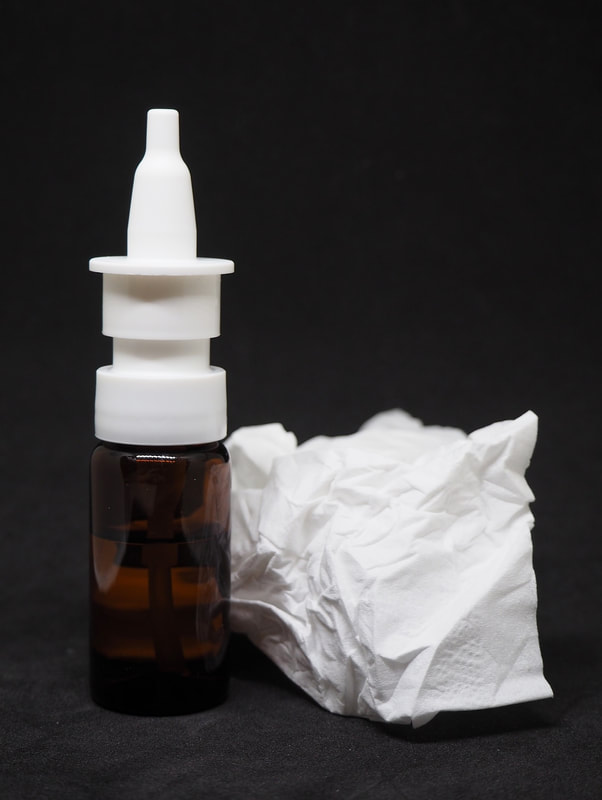
Spravato, also known by its generic name esketamine, is a nasal spray medication that has gained attention for its potential benefits with treatment resistant depression and suicidal thoughts. Spravato was approved by the United States Food and Drug Administration (FDA) in 2019, and it offers a novel approach with promising results in clinical trials. This article provides a comprehensive overview of Spravato, discussing its FDA-approved uses, benefits of use, potential side effects, and the Risk Evaluation and Mitigation Strategy (REMS) protocol associated with its administration.

FDA Approval and Indications:
The FDA approved Spravato for two main indications: treatment-resistant depression (TRD) and major depressive disorder (MDD) with acute suicidal ideation or behavior. It is intended for use in conjunction with an oral antidepressant and under the supervision of a healthcare professional, most commonly a psychiatrist. This approval marks a significant development in the treatment of depression, particularly for patients who have not responded adequately to traditional antidepressant therapies.

Benefits of Use:
  1. Rapid Onset of Action: One of the key advantages of Spravato is its relatively fast-acting nature compared to conventional antidepressants. Patients may experience symptom improvement within hours or days, as opposed to several weeks, which is typical for traditional antidepressants.  This rapid onset of action is particularly valuable for individuals with severe depression and acute suicidal thoughts.
  2. Improved Response Rates: Clinical trials have shown that Spravato can significantly improve response rates in patients with treatment-resistant depression. It offers an alternative for those who have not found relief with standard treatments, providing hope for a more effective and tailored approach to managing depression.
  3. Convenience of Administration: Spravato is administered as a nasal spray, making it convenient for both patients and healthcare providers. This method of delivery allows for self-administration under the supervision of a healthcare professional.  Alternatives like IV ketamine exist, but it involves needle sticks and more intense monitoring.

Side Effects:
While Spravato holds promise as a treatment option, it is important to be aware of potential side effects. Common side effects associated with its use include:
  1. Dissociation: A notable side effect of Spravato is dissociation, characterized by feelings of detachment from one's body or surroundings. Patients may experience alterations in perception, attention, and consciousness, which typically resolve within two hours after administration. Nonetheless, individuals should refrain from driving or operating heavy  machinery until these effects have subsided.
  2. Sedation and Dizziness: Some patients may experience sedation or dizziness after using Spravato. These effects are generally mild to moderate and transient.  They may exist until you get a good night's rest.
  3. Nausea: Nausea is another common side effect often occurring shortly after administration. It is typically mild and tends to diminish with subsequent treatments.
  4. Increased Blood Pressure: Spravato has been associated with transient increases in blood pressure, which generally return to baseline within two hours after administration. Blood pressure monitoring is an essential part of the REMS protocol for this medication. Those with uncontrolled hypertension, aneurysms, or history of intracerebral hemorrhages are not good candidates for Spravato.

REMS Protocol:
Due to the potential for abuse, misuse, and adverse effects, Spravato is subject to a Risk Evaluation and Mitigation Strategy (REMS) protocol. The REMS protocol aims to ensure safe and appropriate use of the medication and includes the following elements:
  1. Healthcare Provider Certification: Healthcare providers must complete a training program to become certified in the prescribing and administration of Spravato. This certification involves learning about the risks and benefits of the medication and the appropriate patient selection criteria.
  2. Patient Enrollment: Patients prescribed Spravato must be enrolled in the REMS program. This allows for closer monitoring of their progress and the occurrence of any adverse events
  3. Supervised Administration: Spravato is administered in a healthcare setting under the supervision of a qualified healthcare provider. The patient must be monitored for at least two hours post-administration to ensure their safety.
  4. Blood Pressure Monitoring: Blood pressure monitoring is performed before and after each Spravato administration to assess any changes. Providers should be prepared to manage increases in blood pressure appropriately.

Patient Experience: 
Once a patient has attended an initial consultation, your doctor will assess your condition and review your medical history. If Spravato is an appropriate treatment option for you, a personalized treatment plan will be developed based on your specific needs. Blood work will be done if necessary and followed up by staff. The treatment plan will outline the frequency and duration of your Spravato sessions. Typical treatment plans include 8 Spravato treatments over four weeks. During the initial start period, 2 doses will be administered 48-72 hours apart. After 4 weeks, 1 treatment per week followed by 1 treatment every 1-2 weeks as needed for maintenance. 

To prepare for your Spravato administration: 
  • No eating for 2 hours before treatment
  • No drinking fluids 30 minutes before treatment
  • Please utilize the restroom immediately before treatment
  • Once treatment is administered, all patients will be monitored at the office for 2 hours. Your healthcare provider will decide when you are ready to leave the healthcare setting
  • Patients will need to arrange transportation home following treatment: do not drive, operate machinery, or do anything where you need to be completely alert after taking Spravato. Do not take part in any important activities until the next day following a restful sleep. It is recommended to have a responsible adult stay with you through the day and night of your Spravato treatment session. 

Upon arrival at Mynd Psychiatry, patients will receive a blanket and eye mask. Patients will be guided to the treatment room filled with relaxing chairs and footrests, low lighting, and peaceful music.  This room is designed to allow patients an opportunity to relax and reach full immersion of Spravato while under the supervision of a healthcare professional. Patients will be encouraged to close their eyes and place the eye mask over their eyes during treatment to reach maximum immersion. A healthcare provider will be monitoring the room and available at all times for any needs patients may have. 

Spravato is self administered under the supervision of a healthcare provider. The healthcare professional will instruct you on the proper technique for using the nasal spray and guide patients through the process. 

Tips for administration: 
  • Blow nose before administering treatment
  • One spray per nostril per device
  • Lean head back in chair 45 degrees to administer doses
  • Insert tip straight into the first nostril 
  • Nose rest should touch the skin between the nostrils 
  • Close opposite nostril and breath in through nose while pushing plunger all the way up until it stops
  • Sniff gently after spraying to keep medication inside nose
  • Repeat steps on second nostril
  • If liquid drips out, dab the nose with a tissue. DO NOT BLOW NOSE 

During and after each Spravato treatment session, you will be closely monitored for any potential side effects or adverse reactions. The healthcare provider will observe you for at least two hours after administering the medication to ensure your safety. During this time patients will be encouraged to engage in Cognitive Behavioral Therapy exercises to improve mental health symptoms. Cognitive Behavioral Therapy has many benefits and can improve treatment outcomes when combined with Spravato. 

Cognitive Behavioral Therapy: 
Cognitive Behavioral Therapy (CBT) is a widely used and evidence-based form of psychotherapy that focuses on the relationship between thoughts, emotions, and behaviors. It has been found effective in treating a range of mental health conditions. CBT helps individuals become aware of their negative or distorted thoughts and beliefs, known as cognitive distortions. Through therapy, individuals learn to challenge and reframe these thoughts, replacing them with more realistic and balanced thinking patterns. 

CBT equips individuals with a wide range of coping skills and techniques that can be used in real-life situations. These skills include problem-solving, stress management, relaxation techniques, assertiveness training, and effective communication, enabling individuals to navigate challenges and improve their overall functioning. CBT is a focused therapy that helps individuals target specific problems and challenges they are facing. It provides practical tools and techniques to address these issues directly, helping individuals make tangible progress and achieve their desired outcomes.

CBT is known for its effectiveness in preventing relapse in many mental health conditions. By learning to recognize early warning signs and applying coping skills, individuals can better manage stressors and minimize the likelihood of a recurrence of symptoms. This process can lead to reduced emotional distress and improved coping mechanisms. It's important to note that while CBT has numerous benefits, different individuals may respond differently to therapy, and the effectiveness of CBT can vary. 

Conclusion:
Spravato nasal spray, or esketamine, represents an innovative treatment option for individuals struggling with treatment-resistant depression and major depressive disorder with acute suicidal ideation or behavior. Its FDA approval has brought new hope for patients who have not responded well to traditional antidepressant therapies. While offering rapid symptom relief, it is crucial to consider the potential side effects associated with Spravato and to adhere to the REMS protocol to ensure safe and appropriate use. 
0 Comments

How mental health influences weight lifting gains

9/21/2022

0 Comments

 
Mental Health and Weight Lifting

​It has been found that there is a strong correlation between the power of positivity and its effect on exercise. The way you think during your exercise can impact the workout and your overall health. Positivity can boost your self-awareness and assessment of your progress during exercise. Through positivity, one may be able to achieve one's fitness goals, and increase one's overall happiness. Positivity during exercise can also improve self-esteem for individuals struggling with body image and confidence. There are many techniques one can implement into their exercise routine to improve positivity and exercise outcomes.

A way to bring positivity to your exercise is to take a moment of mindfulness before beginning the workout. During this moment, try to tune out the negative comparisons or harsh thoughts you commonly have while exercising. Bring your attention to your fitness goals and your motivation for achieving these goals. Instead of comparing your exercise routine or body image to those around you, focus on using positive self-talk to improve your fitness accomplishments. Establishing on-going positive self-talk can be done through making encouraging, positive statements towards yourself throughout the exercise routine. For example, if you are lifting a heavier weight than usual; say to yourself "I am strong and powerful". Consistent positive self-talk can convince your body and mind that you can complete a difficult workout, increase your endurance or even lift heavier weights. Staying positive can be difficult, yet through using self-talk you are able to encourage yourself while staying motivated.  

Another way to bring positivity to your exercise is through challenging your negative thoughts experienced during the workout. When experiencing negative thoughts, ask yourself why you are feeling this way. By self-reflecting on these thoughts and identifying the root cause of them you are giving yourself an opportunity to change them into positive thoughts. Negative thoughts can be changed into positive thoughts through using positive self-talk and taking a moment of mindfulness. By changing negative thoughts into positive thoughts while exercising, you are able to turn around the exercise to benefit your overall health and mood.

Visualization strategies can also be helpful.  Hone your thoughts and eyesight directly on the weights and visualize your success.  Focus your breathing in tune with exerting force.  See the success before it happens.  While this may be a more advanced skill, it can be quite helpful.

If you are consistently struggling with positivity, gaining the support of a mental health therapist can be helpful. Cognitive Behavioral Therapy can help individuals shift their thoughts from negative to positive while focusing on developing coping mechanisms to decrease stress. A therapist can also help you get to the root cause of the negative thoughts, while providing support and guidance to heal. Cognitive Behavioral Therapy has benefits of increasing self-esteem and developing rational thought patterns to improve positivity. Shifting your thoughts and using positivity while exercising can improve fitness outcomes as well as mood and overall happiness. 
0 Comments

    Author

    Improving mental health through positive change.

    Archives

    July 2025
    June 2025
    May 2025
    November 2023
    May 2023
    March 2023
    September 2022

    Categories

    All
    Addiction
    Anxiety
    Counseling
    Depression
    Nightmares
    Psychiatrist
    Spravato
    Weight Lifting

    RSS Feed

Monday 8am-12pm and 1pm-5pm
Tuesday 8am-12pm and 1pm-5pm
Wednesday 8am-12pm and 1pm-5pm
Thursday 8am-12pm and 1pm-5pm
​Friday 8am-12pm and 1pm-5pm

Appointment Scheduling
Online Waiting Rooms
Phone: 346-202-7570
​Fax: 346-202-7571

​Address: 719 Sawdust Road Ste 210
                Spring, TX 77380
  • Psychiatrist
  • Schedule
  • Waiting Rooms
  • Policies
  • Psychiatry Tips
  • Resources